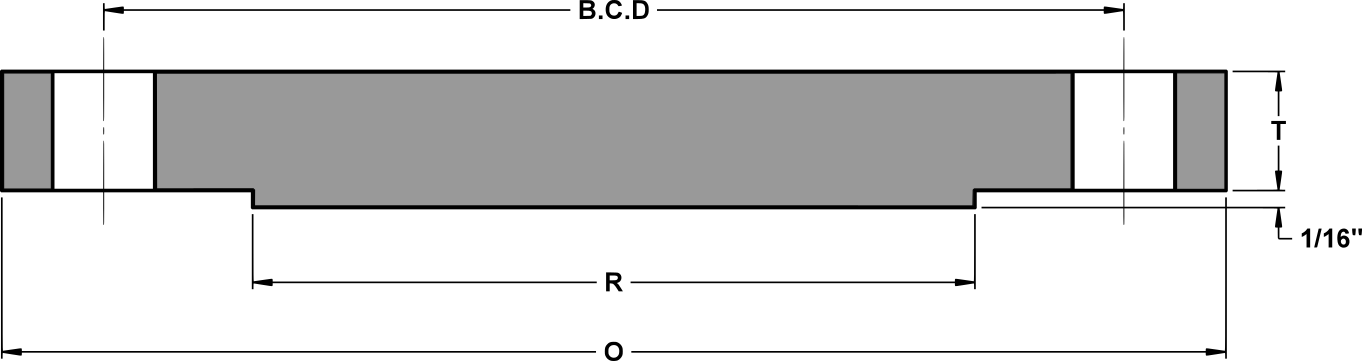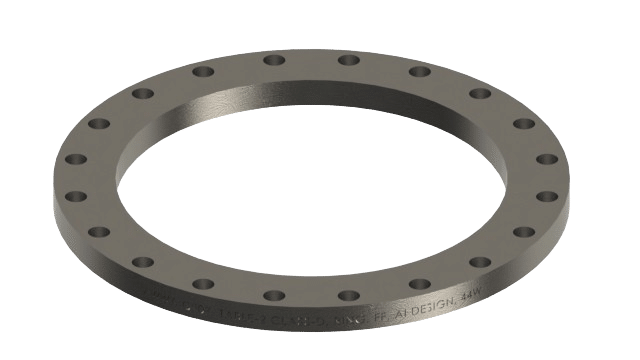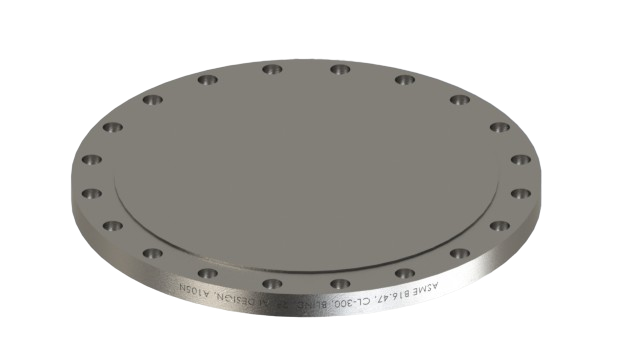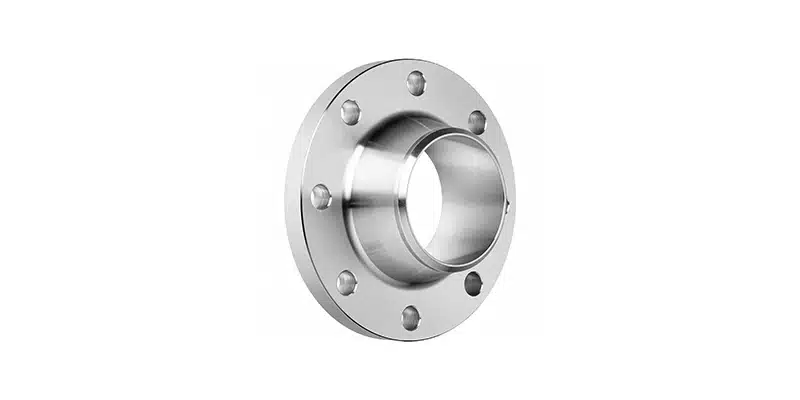
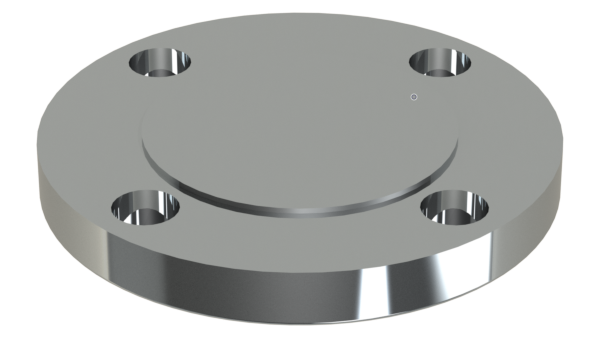
A blind flange is a type of flange that is used to close the end of a pipe, valve, or pressure vessel. Unlike regular flanges that are designed to connect pipes or fittings, blind flanges have a solid, flat plate without any openings. This makes them effective for sealing the end of a pipe, preventing the flow of fluid or gas.
Blind flanges are typically used in situations where the end of a pipeline needs to be closed off temporarily or permanently. They serve various purposes in industrial applications, including isolating sections of a piping system during maintenance or repairs. By attaching a blind flange, workers can safely work on a specific part of the pipeline without affecting the rest of the system.
Moreover, blind flanges are crucial for pressure testing and inspections. When conducting tests to assess the strength and integrity of a pipeline, engineers use blind flanges to seal off one end, allowing them to pressurize the system and evaluate its performance
This page will cover all blind flange dimensions for ASME B16.5 sizes From 1/2 NPS to 24 NPS with Pressure rating classes 150, 300, 400, 600, 900, 1500, & 2500.
Please click on blow link for more information about:
- ASME B16.5 Dimensional Tolerances & Welding Bevel Standards
- ASME B16.5 Bolt & Stud Dimensions
- ASME B16.47 A/B Large Diameter Flange Dimension from 26 NPS to 60 NPS